
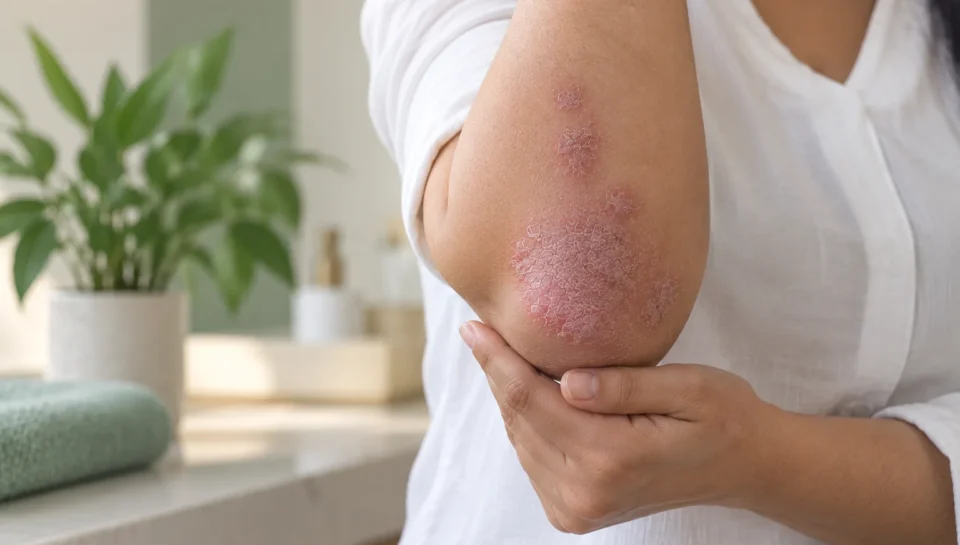
Psoriasis Triggers: What Can Cause Flare-Ups and How to Manage Them
Psoriasis can flare even when you are following your treatment plan. Stress, skin injury, infections, weather changes and certain medicines are among the factors that may trigger or worsen symptoms. However, triggers are different for each person, so learning your own pattern is more useful than trying to avoid every possible trigger.
What Is a Psoriasis Flare-Up?
A psoriasis flare-up is a period when psoriasis symptoms become more noticeable or extensive. The skin may become more inflamed, itchy, dry, raised or scaly. Flares can happen unpredictably, and an obvious trigger is not always present.
Table of Contents
- What Is a Psoriasis Flare-Up?
- 10 Common Psoriasis Triggers
- Can Food Trigger Psoriasis?
- How to Identify Your Personal Psoriasis Triggers
- What Can You Do During a Psoriasis Flare-Up?
- When Should You See a Dermatologist?
- When Trigger Management Is Not Enough
- Frequently Asked Questions About Psoriasis Triggers
10 Common Psoriasis Triggers
1. Stress
Stress is one of the commonly reported psoriasis triggers. It does not cause psoriasis by itself, but it may worsen symptoms in people who are susceptible. If you notice that flare-ups repeatedly occur during stressful periods, discuss the pattern with your dermatologist.
2. Skin Injury and Irritation
Cuts, scratches, sunburn, insect bites and other skin injuries can sometimes trigger psoriasis lesions at or near the injured area. This reaction is known as the Koebner phenomenon. Avoid unnecessary scratching and protect irritated skin.
3. Infections
Some infections can be followed by a psoriasis flare. Certain throat infections are particularly associated with guttate psoriasis. If a new rash develops after an infection, getting an accurate diagnosis is important because several skin conditions can look similar.
4. Cold and Dry Weather
Cold temperatures and low humidity can dry and irritate the skin. For some people, this can coincide with worsening psoriasis. Regular moisturisation and a gentle skin-care routine can help reduce dryness and irritation.
5. Sunburn and Excessive Skin Irritation
Although some people with psoriasis may benefit from medically supervised light treatment, sunburn can injure the skin and trigger psoriasis. Avoid deliberately burning the skin and discuss appropriate phototherapy or sun exposure with a dermatologist.
6. Smoking
Smoking is associated with psoriasis and may contribute to more difficult disease management in some people. If you smoke, consider discussing cessation support with a healthcare professional.
7. Alcohol
Frequent or heavy alcohol consumption may worsen psoriasis in some people and can affect the safety or effectiveness of certain treatments. If you notice a relationship between alcohol and your flare-ups, discuss it with your dermatologist.
8. Certain Medicines
Some medicines can trigger or worsen psoriasis in susceptible people. If you think a newly started medicine is affecting your skin, do not stop it without medical advice. Speak with the prescribing doctor or dermatologist about possible alternatives.
9. Dry or Irritated Skin
Psoriasis-prone skin can be dry and sensitive. Harsh cleansers, excessive bathing, scratching and fragranced products may increase irritation. Gentle cleansing and regular moisturisation can support the skin barrier.
10. Tattoos, Piercings and Repeated Skin Trauma
Tattoos and piercings intentionally injure the skin, so they may trigger psoriasis in susceptible people. Repeated friction or shaving cuts can also irritate the skin. If you have psoriasis, discuss the potential risk with a dermatologist before a procedure that will injure the skin.
Can Food Trigger Psoriasis?
People sometimes report that particular foods coincide with their flare-ups, but there is no single food or diet that triggers psoriasis in everyone. The safest approach is to look for a consistent personal pattern rather than removing large groups of foods without professional advice.
How to Identify Your Personal Psoriasis Triggers
Because triggers vary from person to person, keeping a simple symptom diary can be useful. Record when a flare begins and note recent illness, stress, skin injuries, weather changes, new medicines and major lifestyle changes. Over time, this may help you identify patterns that you can discuss with your dermatologist.
What Can You Do During a Psoriasis Flare-Up?
- Follow the treatment plan prescribed by your dermatologist.
- Keep the skin moisturised and avoid harsh or irritating products.
- Try not to scratch or pick at affected areas.
- Protect the skin from cuts, burns and unnecessary friction.
- Make a note of possible triggers instead of assuming one factor is responsible.
- Contact your dermatologist if symptoms are worsening, widespread or difficult to control.
When Should You See a Dermatologist?
See a dermatologist if you have persistent scaly patches, recurring flare-ups, significant itching or discomfort, scalp or nail changes, or a rash that has not been diagnosed. Psoriasis can resemble eczema, fungal infections and other inflammatory skin conditions, so an accurate diagnosis is important.
Joint pain, swelling or prolonged morning stiffness should also be discussed with a healthcare professional because psoriasis can be associated with psoriatic arthritis.
When Trigger Management Is Not Enough
Avoiding triggers can support psoriasis management, but it does not replace medical treatment when treatment is needed. The appropriate treatment depends on factors such as the type and extent of psoriasis, affected areas, severity and medical history. If you need an assessment, you can learn more about psoriasis treatment at Eliixir Skin and Hair Clinic.
Frequently Asked Questions About Psoriasis Triggers
What is the most common trigger for psoriasis?
There is no single trigger for everyone. Stress, skin injury, infections, weather changes, smoking, alcohol and certain medicines are commonly reported triggers.
Can stress cause psoriasis to flare up?
Stress does not cause psoriasis, but it can trigger or worsen flare-ups in some people who already have the condition.
Can cold weather make psoriasis worse?
Cold and dry conditions can dry and irritate the skin and may worsen psoriasis for some people.
Can scratching make psoriasis worse?
Yes. Scratching can injure the skin and may contribute to new or worsening lesions in susceptible people.
Should I stop a medicine if I think it is triggering psoriasis?
No. Do not stop prescribed medication on your own. Speak with the doctor who prescribed it or a dermatologist about your symptoms.
Can psoriasis flare-ups be prevented?
Not every flare can be prevented, but identifying personal triggers, protecting the skin and following an appropriate treatment plan can help reduce flare-ups for some people.